QuickBooks Online vs QuickBooks Desktop. An honest, current comparison.
A working comparison written for U.S. small business owners deciding between QuickBooks Online and QuickBooks Desktop — and for Desktop users deciding whether to stay or move. We cover where each one genuinely fits, how updates and access differ, the local-file trade-offs, and the critical fact: after September 30, 2024, Intuit stopped selling QuickBooks Desktop Pro Plus, Premier Plus, Mac Plus and Desktop Enhanced Payroll to new U.S. subscribers. Independent Certified QuickBooks ProAdvisor firm — not affiliated with Intuit Inc.
For most new businesses in 2026, QuickBooks Online is the practical answer — and the one Intuit encourages new subscribers to consider. QuickBooks Online is cloud-based, subscription-priced, and accessible from any device with an internet connection; Intuit says that on Online “you will always be on the most current version.” QuickBooks Desktop is locally installed, with strong batch entry and deep industry/inventory features in Premier and Enterprise editions. The decisive current fact: after September 30, 2024, Intuit stopped selling QuickBooks Desktop Pro Plus, Premier Plus, Mac Plus and Desktop Enhanced Payroll to new U.S. subscribers. Existing subscribers can continue to renew and QuickBooks Enterprise is still sold, but a new business cannot buy Desktop Pro Plus or Premier Plus and should plan on Online. Desktop and Enterprise still suit specific cases — certain industry-specific tooling, very large data files, batch-heavy workflows, or a business already running on it.
Comparison maintained by the Certified QuickBooks ProAdvisor team at TechBrot Inc., an independent firm — not affiliated with Intuit Inc. Intuit’s product availability is described as publicly documented as of the review date; defer to Intuit for current pricing and editions.
Intuit certifications
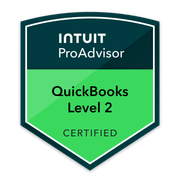
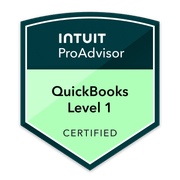
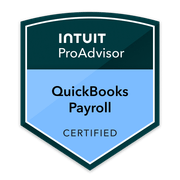
Every engagement is reviewed by a Certified QuickBooks ProAdvisor (QuickBooks Online Level 2, Payroll) — verification on request. Intuit’s ProAdvisor program becomes ProPartner Accountants in early 2027; the certifications continue.
The honest summary.
QuickBooks Online is the cloud version: Intuit describes it as a cloud-based platform you reach through a secure web browser or the QuickBooks Online desktop app, from any device with an internet connection, with no file to install, and says that on Online “you will always be on the most current version.” QuickBooks Desktop is the traditional locally installed program: the data lives in a file on your own machine or server, the interface is built for fast keyboard-driven and batch entry, and Premier and Enterprise carry deep industry-specific and inventory features that some businesses genuinely rely on. The decisive 2026 fact is structural, not just a preference: after September 30, 2024, Intuit stopped selling QuickBooks Desktop Pro Plus, Premier Plus, Mac Plus and Desktop Enhanced Payroll to new U.S. subscribers. Existing Desktop subscribers can continue to renew, QuickBooks Enterprise is still sold, and Intuit says Desktop 2024 has “no sunset deadline,” but a brand-new business cannot buy Desktop Pro Plus or Premier Plus today and should plan on Online. For most new businesses, that settles it. Desktop and Enterprise still make sense for specific cases — certain industry tooling, very large data files, batch-heavy workflows, or a business already running well on Desktop — and we’ll tell you honestly which one fits yours.
Online vs Desktop, in five questions.
What’s the core difference?
QuickBooks Online runs in the cloud as a subscription you reach from any device with an internet connection, and Intuit says you will always be on the most current version. QuickBooks Desktop is installed locally, with the data in a file on your own machine or server, traditional batch entry, and deep industry/inventory features in Premier and Enterprise. They’re the same brand built on two different models.
Can a new business still buy QuickBooks Desktop?
Not Pro Plus or Premier Plus. After September 30, 2024, Intuit stopped selling QuickBooks Desktop Pro Plus, Premier Plus, Mac Plus and Desktop Enhanced Payroll to new U.S. subscribers. Existing subscribers can continue to renew and QuickBooks Enterprise is still sold, but a brand-new business cannot buy Desktop Pro Plus or Premier Plus and should plan on Online.
Which one is right for most new businesses?
QuickBooks Online, for most. It’s what new businesses can actually buy, it’s accessible from any device with an internet connection, and Intuit says you will always be on the most current version. The main exceptions are businesses that depend on Desktop-only or Enterprise-only industry features, very large data files, or batch-heavy workflows.
Does Desktop still make sense for anyone?
Yes, for specific cases. Some businesses rely on industry-specific tooling in Premier or Enterprise, run very large data files, or work in batch-heavy ways that suit Desktop’s entry model — and businesses already running well on Desktop often have no urgent reason to move. We assess it honestly rather than pushing a migration you don’t need.
How do the costs compare?
The models differ rather than just the price. Online is a recurring monthly subscription per company file, scaled by plan tier. Desktop historically used an annual license or subscription tied to a major version. We don’t quote Intuit’s figures here because they change — check Intuit for current pricing. TechBrot’s own service fees are separate and follow our published pricing.
Side by side, across what matters.
Eleven dimensions that determine which edition fits how you actually run the books. We hold no reseller or referral incentive in either direction — the read is independent.
| Dimension | QuickBooks Online | QuickBooks Desktop |
|---|---|---|
| Where it runs | Cloud — a secure web browser or the QuickBooks Online desktop app | Installed locally on a machine or server |
| Access | Anywhere, any device, multiple users concurrently | On the installed machine or via hosting/remote setup |
| Data location | Hosted by Intuit; nothing to install | Local company file you store and back up yourself |
| Updates | Per Intuit, “you will always be on the most current version” | Desktop 2024: periodic in-product updates to version 24.0 in place of an annual release, per Intuit |
| What Intuit says about each | “We’ve continued to innovate and improve upon it” (Intuit) | Desktop 2024: Intuit “commits to keep version 24.0 up to date for years to come” |
| Availability to new businesses | Fully available to buy | Pro Plus, Premier Plus and Mac Plus not sold to new U.S. subscribers after Sept 30, 2024; existing subscribers can renew; Enterprise still sold |
| Batch & keyboard entry | Improving, but lighter than Desktop | Strong — fast batch and keyboard-driven workflows |
| Industry & inventory depth | Solid; advanced inventory on higher tiers | Deep industry editions and inventory in Premier/Enterprise |
| Very large data files | Handles most SMB volumes in the cloud | Enterprise built for very large files and high record counts |
| Pricing model | Recurring monthly subscription per company file | Historically annual license/subscription per version |
| Best general fit | Most new and growing businesses | Specific industry, batch, or large-file cases — or already on it |
Maintained by the TechBrot Certified ProAdvisor team.
This comparison is maintained by the Certified QuickBooks ProAdvisor team at TechBrot Inc., an independent ProAdvisor firm — not affiliated with Intuit Inc. The product facts — that QuickBooks Online is cloud-based and subscription-priced, that QuickBooks Desktop is locally installed, that after September 30, 2024 Intuit stopped selling Desktop Pro Plus, Premier Plus, Mac Plus and Desktop Enhanced Payroll to new U.S. subscribers while existing subscribers can renew and QuickBooks Enterprise is still sold, and that Desktop 2024 has “no sunset deadline” — reflect Intuit’s publicly documented product availability as of the review date. We deliberately do not quote Intuit’s prices or edition specs, which change; defer to Intuit for current figures. TechBrot performs bookkeeping and QuickBooks work and coordinates with your CPA, who files.
Sources (Intuit’s own pages, read 2026-09-25): Can’t buy QuickBooks Desktop as a new US subscriber (updated 2026-08-04); What’s new in QuickBooks Desktop 2024 (updated 2026-09-18); QuickBooks Desktop 2023 service discontinuation policy (updated 2026-08-05); Learn about switching from QuickBooks Desktop to QuickBooks Online (updated 2026-08-20); QuickBooks Desktop to stop selling to new U.S. subscribers (published 2024-02-01, updated 2026-03-26).
Active
Intuit ProAdvisor — QBO L2 and Payroll
Current
Desktop availability stated per Intuit’s public documentation as of review date
Neutral
no reseller or referral incentive in either direction
Independent
firm — not affiliated with Intuit Inc.
When each one actually fits.
No single edition is right for everyone. Here’s the honest read on when Online is the call, when Desktop or Enterprise still earns its place, and when it’s time to plan a move.
You’re a new or growing business that wants to work from anywhere.
You’re starting fresh (and so can’t buy Desktop Pro Plus or Premier Plus as a new U.S. subscriber anyway), you want access from any device for yourself, your team, and your accountant, and you value being on the most current version with no company file to maintain. For the majority of new businesses, Online is both the practical and the available choice — and the one Intuit encourages new subscribers to consider.
You depend on Desktop-class industry, inventory, or batch features.
You rely on industry-specific tooling in Premier or Enterprise, you run very large data files or high record counts that suit Enterprise, you work in batch-heavy, keyboard-driven ways that Desktop does best, or your business already runs well on Desktop with no pressing reason to move. Existing Desktop subscribers keep their product and Enterprise is still sold — if it genuinely fits, staying can be the right call. We’ll tell you honestly when it is.
You’re on Desktop and need what the cloud does better.
You’re on Desktop 2023 or older, which Intuit no longer supports (Desktop 2024 has continuous support with no sunset deadline), you need remote or multi-location access Desktop makes awkward, you keep hitting integration gaps with the apps you rely on, or your accountant works in QuickBooks Online. A planned move protects your history and your reporting. See our Desktop-to-Online migration guidance, and review the Desktop support end dates before you decide.
Plan your next step.
QuickBooks Desktop to Online migration
The practical path off Desktop — what transfers cleanly, what gets rebuilt, and how to protect your history and reporting through the move.
QuickBooks Desktop support end dates
Which Desktop versions Intuit has discontinued, and Desktop 2024’s “no sunset deadline” status — the facts that drive your timing if you’re still on Desktop.
All QuickBooks comparisons
The full library of honest QuickBooks edition and product comparisons, written with the same independent read each time.
QuickBooks Online vs Desktop in 2026, what actually changed.
Who can still buy Desktop, what Intuit says about Desktop 2024, when Online or Desktop fits, and when a move makes sense — set out in full below.
QuickBooks Desktop in 2026Desktop-to-Online migrationWhich QuickBooks plan is rightBook the discovery call
The full explanation, section by section — what changed, who each one fits, and the stay-or-switch call.
The honest summary
Should you use QuickBooks Online or Desktop in 2026? Most new businesses should plan on QuickBooks Online, because after September 30, 2024, Intuit stopped selling Desktop Pro Plus, Premier Plus and Mac Plus to new U.S. subscribers. Already on Desktop 2024? Staying is a legitimate choice: Intuit says there’s no sunset deadline for this release. Still on Desktop 2023? That version is discontinued, so act now.
What’s the core difference?
What’s the core difference? Intuit describes QuickBooks Online as a cloud-based platform you reach through a secure web browser or the QuickBooks Online desktop app, with your data file available from any device with internet access. QuickBooks Desktop is the locally installed program, with the company file on your own machine or server. They share one brand, built on two different models: cloud subscription versus local install.
Can a new business still buy QuickBooks Desktop?
Can a new business still buy QuickBooks Desktop? Here is the first thing that actually changed. After September 30, 2024, Intuit stopped selling QuickBooks Desktop Pro Plus, Premier Plus, Mac Plus and Desktop Enhanced Payroll to new U.S. subscribers. Existing Desktop Plus subscribers can keep renewing their subscriptions. QuickBooks Enterprise isn’t affected: new and existing Enterprise customers can still buy or renew it.
Is QuickBooks Desktop being discontinued entirely?
Is QuickBooks Desktop being discontinued entirely? Not entirely, and the second change is the one most people miss. Intuit says Desktop 2024, Pro Plus, Premier Plus and Enterprise Solutions, won’t be discontinued in May 2027, and there’s no sunset deadline for this release. Desktop 2023 is the version that ended, after May 31, 2026. The QuickBooks Desktop guide sets out which versions need action.
Side by side, across what matters
Side by side, the difference now shows up in updates and access. Desktop 2024 no longer waits for an annual release: Intuit sends periodic in-product updates, covering product updates, security patches, compliance to tax laws, and feature enhancements. QuickBooks Online needs a persistent internet connection. Desktop runs from where it is installed, and reaching a file stored at a different location takes a hosting service.
Which should a new business choose?
Which should a new business choose? For most, QuickBooks Online. Pro Plus and Premier Plus are no longer sold to new U.S. subscribers, and Intuit’s own advice to them is to consider QuickBooks Online. The realistic exceptions are businesses that need Enterprise-level industry or inventory depth, run very large data files, or work in batch-heavy ways. Enterprise is still sold to new customers.
Does Desktop still make sense for anyone?
Does Desktop still make sense for anyone? For a business already running well on Desktop 2024, it often does. No deadline is forcing a move, and Intuit commits to keep version 24.0 up to date for years to come. Staying on 2024 is a legitimate choice, not a delay. The one job is to accept the periodic in-product updates, so security patches and tax-law compliance keep arriving.
When each one actually fits
Online is the choice if you’re a new or growing business that wants to work from anywhere. You, your team and your accountant reach the same books from any device with internet access, with no company file to host or pass around. Intuit itself frames QuickBooks Online around remote access, enhanced flexibility and real-time collaboration. For most new businesses, it is both the practical and the available choice.
You depend on Desktop-class industry, inventory, or batch features
Desktop or Enterprise still fits if you depend on Desktop-class industry, inventory or batch features. Intuit positions Enterprise for companies with complex inventory needs, like manufacturers and wholesalers, and says it scales up to forty users. Existing Desktop subscribers keep their product, and Enterprise is still sold, so if it genuinely fits the way you work, staying can be the right call.
You’re on Desktop and need what the cloud does better
A move to QuickBooks Online may be due if you’re on Desktop and need what the cloud does better. Four signals: your file is on Desktop 2023 or older, which Intuit no longer supports; you need remote or multi-location access that Desktop makes awkward; the apps you rely on keep hitting integration gaps; or your accountant works in QuickBooks Online. Each one is a business reason, not a deadline.
Will my data move cleanly if I switch from Desktop to Online?
Will your data move cleanly if you switch? Most of it transfers, though not as a perfect copy. Intuit’s migration tool doesn’t delete or change your Desktop file; it copies it over to the cloud. Intuit also says not all features look or behave the same way after the move, and inventory history begins on the day you migrate. The Desktop-to-Online migration guide covers how the move is done.
How do the costs compare?
How do the costs compare? The pricing models differ, not just the price, and Intuit’s prices change, so check Intuit for current pricing on the exact edition you’re considering. TechBrot’s own service fees are separate from Intuit’s software cost. Choosing between the QuickBooks Online plans has its own guide, Enterprise against Online Advanced has another, and every QuickBooks comparison sits in one library.
Let a ProAdvisor read your situation
Let a ProAdvisor read your situation. On a discovery call we look at how you work today and say whether Online, Desktop, Enterprise or a migration is the right call, and if you’re fine where you are, we say so. TechBrot is an independent bookkeeping and advisory firm, certified in QuickBooks Online Level 2 and Payroll, with no reseller incentive either way, and not affiliated with Intuit. Send this to whoever runs your books, and subscribe for the series.
What people ask when comparing.
What is the main difference between QuickBooks Online and QuickBooks Desktop?
Can I still buy QuickBooks Desktop in 2026?
Which should a new business choose?
Is QuickBooks Desktop being discontinued entirely?
Is QuickBooks Online or Desktop cheaper?
Will my data move cleanly if I switch from Desktop to Online?
Let a ProAdvisor read your situation.
Book a 30-minute discovery call. We’ll look at how you work today, what you actually need, and whether Online, Desktop, Enterprise, or a migration is the right call — then produce a written fixed-fee scope. If you’re on Desktop and a move makes business sense, we’ll map a migration path. If you’re fine where you are, we’ll say so.