Local CPA vs online bookkeeping. For most, it’s both.
A local CPA is a state-licensed accountant down the road who files your taxes, advises you, and represents you before the IRS — sometimes keeping your books as a side service. An online bookkeeping service works remotely and deeply inside your QuickBooks file every month at a fixed fee, with a named operator — but does not file taxes. For most U.S. small businesses this isn’t either/or: the online ProAdvisor keeps the books clean and affordable; the CPA files and advises. TechBrot is the online bookkeeping side — an independent Certified QuickBooks ProAdvisor firm, not a CPA firm, and not affiliated with Intuit Inc. A good local CPA is valuable; we complement them.
A local CPA is a state-licensed accountant near you who files your tax returns, gives tax and business advice, and represents you before the IRS — the licensed, high-stakes work, often with some bookkeeping offered on the side. An online bookkeeping service works remotely inside your QuickBooks file, handling the day-to-day books every month at a fixed fee with a named operator — but it does not file taxes. Most U.S. small businesses use both: the online ProAdvisor keeps the books deep, clean, and affordable; the CPA files and advises. TechBrot is the online bookkeeping side and coordinates directly with your CPA or EA.
Comparison maintained by the Certified QuickBooks ProAdvisor team at TechBrot Inc., an independent online bookkeeping and ProAdvisor firm — not a CPA firm, and not affiliated with Intuit Inc. We do not file taxes or represent clients before the IRS. A good local CPA is valuable; this page is about how the two roles fit together.
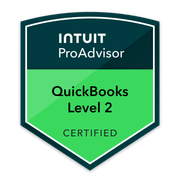
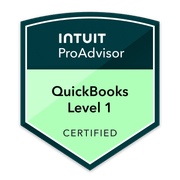
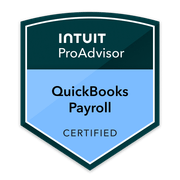
Intuit certifications
Every engagement is reviewed by a Certified QuickBooks ProAdvisor (QuickBooks Online Level 2, Payroll) — verification on request. Intuit’s ProAdvisor program becomes ProPartner Accountants in early 2027; the certifications continue.
The honest summary.
A local CPA is a state-licensed accountant near you. The license authorizes the work a bookkeeper can’t do — performing audits and attestations and representing you before the IRS — and most CPAs also prepare and file tax returns and plan tax, work that doesn’t itself require a CPA (an EA or another tax preparer can prepare a return). Many local CPA firms also offer bookkeeping as a side service, but it’s rarely their focus — they’re tax-first generalists, often billed seasonally or hourly. An online bookkeeping service is the inverse: a remote team that lives inside your QuickBooks file every month — recording, categorizing, reconciling, closing — at a fixed monthly fee, with a named operator who knows your business. It does not file taxes.
For most U.S. small businesses this is not either/or. The cost-effective, high-quality setup is both: the online ProAdvisor keeps the day-to-day books deep, clean, and affordable; the local CPA files your taxes and advises on the big decisions. TechBrot is the online bookkeeping side — an independent Certified QuickBooks ProAdvisor firm, not a CPA firm. We don’t file returns or represent you before the IRS; we keep the books CPA-ready and coordinate directly with your CPA or EA. A good local CPA is genuinely valuable. We complement them. Not affiliated with Intuit Inc.
Local CPA vs Online bookkeeping (TechBrot), in five questions.
What's the difference between a local CPA and an online bookkeeping service?
A local CPA is a state-licensed accountant near you who files your taxes, advises, and represents you before the IRS — a tax-first generalist who may keep books on the side. An online bookkeeping service works remotely inside your QuickBooks file every month at a fixed fee, with a named operator, going deep on the day-to-day books — but it does not file taxes. They cover different work.
Do I need a local CPA if I have an online bookkeeping service?
For audits or attestations — yes, you need a CPA; IRS representation takes a CPA, an EA or an attorney; and your tax return can be prepared by a CPA, an EA or another tax preparer. An online bookkeeper keeps your records accurate and makes that work small, but doesn’t do it. The common best-of-both setup is an online bookkeeper for monthly books plus a CPA for filing and advice.
Can I use both a local CPA and an online bookkeeper at the same time?
Yes — that’s the recommended structure for most small businesses. The online bookkeeper keeps the QuickBooks file clean and closed monthly; the CPA files the return and advises. They coordinate, so the bookkeeper produces exactly what the CPA files from. You don’t have to pick one; the two roles are designed to work in parallel.
Is online bookkeeping cheaper than having my local CPA do the books?
For ongoing day-to-day bookkeeping, generally yes. A dedicated online bookkeeping service prices it as a fixed monthly fee, and bookkeeping is its core focus. A local CPA usually bills bookkeeping at higher generalist or hourly rates as a side service. We don’t publish ‘average CPA fee’ numbers here — rates vary widely — but the structure differs: fixed monthly vs hourly/seasonal.
Does an online bookkeeping service file my taxes?
No — and TechBrot is explicit about this. We are an online bookkeeping and Certified QuickBooks ProAdvisor firm, not a CPA firm. We do not prepare or file tax returns, perform audits, or represent clients before the IRS. We keep the books clean and CPA-ready and hand off to your CPA, EA or other tax preparer, who prepares your return.
What each one actually is.
Most confusion comes from using the terms loosely. Here’s what each means in U.S. small business practice.
Files, advises, represents.
Keeps the books, deeply, monthly.
Across the dimensions that matter.
The practical differences that decide which one you need — or whether you need both.
| Dimension | Local CPA | Online bookkeeping (TechBrot) |
|---|---|---|
| Primary work | Tax filing, advice, representation | Day-to-day bookkeeping & monthly close |
| Files tax returns | Yes | No — coordinates with your CPA |
| IRS representation | Yes (licensed) | No |
| Performs audits / attestations | Yes (licensed CPAs) | No |
| Depth of day-to-day books | Side service for many firms | Core focus — deep, in your QuickBooks file |
| Licensing | State CPA license | Voluntary credentials (Certified ProAdvisor) |
| Delivery | Local / in-person | Remote / online |
| Pricing structure | Hourly or seasonal / per return | Fixed monthly fee |
| Cost predictability | Varies by engagement | Predictable — same fee each month |
| Local & tax-law knowledge | Strong — your state, in person | Coordinated through your CPA |
| Best for most businesses | Use for filing & advice | Use for the monthly books |
| Where TechBrot fits | Your existing or recommended CPA | The online bookkeeping delivered here |
Which one fits your situation.
Three patterns cover most U.S. small businesses. Find the one that matches where you are.
If your need is tax-first.
If you want deep, affordable books.
Both, in parallel.
We’re the online bookkeeping side. We work alongside your CPA.
To be direct: TechBrot is the online bookkeeping side, not the CPA side. We deliver monthly bookkeeping, cleanup, catch-up, QuickBooks ProAdvisor services, payroll, and sales-tax compliance — remotely, inside your QuickBooks file. We do not prepare tax returns, perform audits, or represent clients before the IRS. We are an online bookkeeping and Certified QuickBooks ProAdvisor firm — not a CPA firm.
What we add is depth on the day-to-day books at a higher standard than most small businesses encounter: vetted Certified ProAdvisors, named operators, fixed-fee scopes (see pricing), and clean records your CPA can file from without rework. That’s the part a tax-first local CPA usually treats as a sideline — and the part we treat as the whole job.
A good local CPA is genuinely valuable, and we don’t replace one. If you already have a CPA or EA, we coordinate directly. If you don’t, your operator can recommend one in your state. We keep the books; your CPA files and advises. Independent firm — not affiliated with Intuit Inc.
Online books
the side TechBrot delivers — monthly bookkeeping, cleanup, catch-up, QuickBooks, payroll, sales tax
Your CPA
files returns, audits, represents before the IRS, advises on tax — we coordinate, not replace
Fixed fee
predictable monthly bookkeeping scope, named operator — see /pricing/
Independent
Certified ProAdvisor firm — not affiliated with Intuit Inc.; not a CPA firm
More honest comparisons in the same series.
Bookkeeper vs CPA
The role-level version — what a bookkeeper does versus what the CPA license authorizes.
CPA vs EA
If you need the tax side, how a CPA and an Enrolled Agent differ for filing and IRS work.
In-house vs outsourced bookkeeping
Whether to hire internally or use a remote service for the day-to-day books.
All comparisons
The full library of TechBrot comparisons — the same honest read each time.
Online bookkeeping
The remote bookkeeping engagement this comparison describes — Certified ProAdvisors working inside your QuickBooks file, monthly, with a written scope.
Local CPA vs online bookkeeping, point by point.
What each side does, who files your taxes, how each one bills, and the three patterns that decide whether you need one, the other, or both — set out in full below.
Online bookkeepingBookkeeper vs CPAGet the free file reviewBook the discovery call
The full explanation, section by section — each role, the tax line, the cost structure, and which setup fits.
Isn’t a local, in-person accountant better than a remote one?
For the day-to-day books, an online QuickBooks bookkeeper usually goes deeper, because the work happens inside your QuickBooks file, which is cloud-based. A local, in-person accountant offers someone you can sit across from and familiarity with local tax law, and those are real advantages for filing and advice. For most small businesses the answer is both: an online bookkeeper for the monthly books, and a local CPA for filing and advice.
What each one actually is.
A local CPA is a state-licensed accountant near you, in person if you prefer. The license authorizes audits and attestations, and a CPA also prepares and files federal and state returns, plans your taxes and represents you before the IRS. Many local CPAs keep some books on the side, but most are tax-first generalists, billed per return, seasonally or by the hour, around filing and advisory events rather than the daily ledger.
Keeps the books, deeply, monthly.
An online bookkeeping service is the inverse: a remote team working inside your QuickBooks file every month. It records and categorizes transactions, reconciles bank and credit-card accounts, manages payables and receivables, and closes the month with clean statements. Bookkeeping is the core focus, not a sideline. It runs on an ongoing fixed monthly retainer, its value compounds as it learns your business, and it does not file taxes.
Across the dimensions that matter.
Side by side, a local CPA works in person and bills hourly, seasonally or per return, so the cost varies by engagement. An online bookkeeper works remotely for a fixed monthly fee, which is predictable because it is the same each month. The CPA holds a state license; the online side holds voluntary credentials, such as Certified ProAdvisor. Knowledge of your state’s tax law is strong on the CPA side, and the online bookkeeper coordinates through your CPA.
Does an online bookkeeping service file my taxes?
An online bookkeeping service does not file your taxes, and TechBrot says so plainly. TechBrot is a bookkeeping and advisory firm, a Certified QuickBooks ProAdvisor firm with no tax practice. It does not prepare or file tax returns, perform audits, or represent clients before the IRS. It keeps the books ready for tax time and hands them to your CPA, EA or tax preparer, and if you do not have one, it can recommend one in your state.
Do I need a local CPA if I have an online bookkeeping service?
An online bookkeeping service cannot replace a CPA for licensed work. Audits and attestations need a CPA, and representing you before the IRS needs a CPA, an EA or an attorney. Preparing and filing a return does not legally require a CPA, though many businesses choose one for filing and tax advice. The online bookkeeper’s job is to keep the day-to-day books deep and clean, so the tax professional’s work is small and accurate.
Is online bookkeeping cheaper than having my local CPA do the books?
For ongoing day-to-day bookkeeping, an online service is generally the cheaper route. A dedicated online service prices it as one fixed monthly fee and treats it as the core job, while a local CPA usually bills bookkeeping at higher generalist or hourly rates, as a side service. Average CPA fees are not published here, because they vary widely by region and firm. The real difference is structure: predictable fixed monthly fees versus hourly or seasonal billing.
My local CPA already does my bookkeeping. Why add an online service?
If your CPA already keeps your books well and you are happy with the cost, you may not need to change anything. For many firms, though, bookkeeping is a sideline billed at generalist rates, and the books arrive thin or only get attention near tax season. An online service goes deeper every month at a fixed fee, and frees your CPA to focus on the licensed tax and advisory work they do best.
Which one fits your situation.
Three patterns cover most U.S. small businesses. A local CPA alone fits when your need is tax-first: very simple books, low transaction volume, and one local person you can sit across from. If you are comfortable with seasonal or hourly billing, a local CPA who keeps light books on the side may be all you need, and that is a perfectly good answer.
If you want deep, affordable books.
Online bookkeeping plus your own CPA fits when you want the day-to-day books kept deep and clean every month, at a predictable fixed fee, with one dedicated bookkeeper inside your QuickBooks file. You also keep the freedom to choose your own tax professional. The online bookkeeper handles the ledger, and you keep, or pick, the CPA who files. TechBrot works in exactly that pattern.
Both, in parallel.
The hybrid setup, which suits most businesses, runs both roles in parallel. The online bookkeeper keeps the QuickBooks file clean and closed each month at a fixed fee. The local CPA files the return and advises on the big decisions. The two coordinate directly, so the books are exactly what the CPA files from, with no rework and no surprises at tax time. You do not have to pick one.
We’re the online bookkeeping side. We work alongside your CPA.
TechBrot is the online bookkeeping side, not the CPA side. It delivers monthly bookkeeping, cleanup, catch-up, QuickBooks ProAdvisor services, payroll and sales-tax compliance remotely, inside your QuickBooks file, on fixed-fee scopes, and coordinates with your CPA or EA. A good local CPA is genuinely valuable, and TechBrot complements one rather than replacing it. The bookkeeper versus CPA comparison and the rest of the series cover the roles themselves.
Want deep, affordable monthly books? Talk to us.
Choosing between a local CPA and online bookkeeping usually starts with where your QuickBooks file is today. Book the free discovery call, and TechBrot reviews the file, recommends the right engagement, and sets out a fixed-fee scope in writing. Send this to the business partner or CPA you share the books with, and subscribe for the rest of the series.
What people ask before choosing.
Do I need a local CPA, or can an online bookkeeping service replace one?
Is online bookkeeping cheaper than having my local CPA keep the books?
Will an online bookkeeper actually file my taxes?
Can my local CPA and an online bookkeeping service work together?
Isn't a local, in-person accountant better than a remote one?
My local CPA already does my bookkeeping. Why add an online service?
Where does TechBrot fit — local CPA or online bookkeeping?
Want deep, affordable monthly books? Talk to us.
Book a 30-minute discovery call. We’ll review where your QuickBooks file is, recommend the right engagement, and produce a written fixed-fee scope within 3 business days. We’re the online bookkeeping side — we don’t file taxes, and we coordinate cleanly with your CPA; if you don’t have one, we can recommend a local CPA or EA in your state.