Advisory · Sale readiness
Sale readiness: books that hold up when a buyer looks.
A buyer’s accountants rebuild your earnings from the books. Unreconciled months, personal spending in the expense lines and revenue that does not tie to the returns all become questions — and questions can become a lower price or a longer escrow. We get the books into the state due diligence expects, on a written fixed-fee scope, and hand your advisers a clean history.
Sale readiness is getting a business’s books into the state a buyer’s due diligence expects: every month in the periods under review reconciled, revenue tied to deposits and to the filed returns, owner and one-time expenses identified and documented, and a balance sheet that holds. A quality-of-earnings review is performed by accountants working for the buyer or the seller; TechBrot is not a CPA firm and does not perform one — we prepare the books it is built from, and coordinate with your M&A adviser, CPA and attorney.
TechBrot Inc. · independent bookkeeping and advisory firm led by a Certified QuickBooks ProAdvisor — not a CPA firm and not affiliated with Intuit Inc.
Intuit certifications
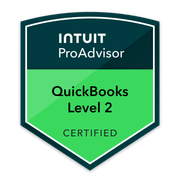
Every engagement is reviewed by a Certified QuickBooks ProAdvisor (QuickBooks Online Level 2, Payroll) — verification on request. Intuit’s ProAdvisor program becomes ProPartner Accountants in early 2027; the certifications continue.

Sale readiness, in five questions.
What is sale readiness?
Getting the books into the state a buyer’s due diligence expects — reconciled history, revenue tied to deposits and returns, owner and one-time expenses documented, and a balance sheet that holds.
Does TechBrot perform a quality-of-earnings review?
No. A quality-of-earnings review is performed by accountants working for the buyer or the seller. TechBrot is not a CPA firm; we prepare the books that review is built from.
How early should I start?
Before you list. Clearing findings on your own timetable is easier than answering them in the middle of diligence, and a multi-period cleanup takes time to do properly.
What happens to owner and personal expenses?
They are identified, moved out of the expense lines where they do not belong, and scheduled with the support behind each, so your advisers can evaluate adjustments from evidence.
Who else is involved?
Your M&A adviser or broker, your CPA and your attorney. TechBrot coordinates with them and hands over a clean, documented history.
What due diligence does to your books.
When a buyer is serious, their accountants rebuild your earnings month by month from the general ledger, bank statements and tax returns. The exercise is often called a quality-of-earnings review: it tests whether the profit you report is real, recurring and supported.
Every place the books cannot answer a question becomes a finding — a month that was never reconciled, revenue that differs from deposits, an expense nobody can explain. Findings tend to become price adjustments, holdbacks or delays, negotiated after you have already agreed a number.
Sale readiness is doing that review’s groundwork before the buyer does, on your timetable.
The findings we clear before a buyer sees them.
Unreconciled history
Every bank, card and loan account reconciled for the periods the buyer’s diligence covers.
Revenue that does not tie
Sales tied to deposits and to the revenue on your filed returns, with every difference documented.
Owner and one-time expenses mixed in
Personal, owner-related and one-time expenses identified and scheduled with the support behind each, so your advisers can evaluate adjustments to earnings from evidence rather than memory.
A balance sheet that does not hold
Receivables reviewed, payables complete, inventory tied to counts, payroll and sales-tax liabilities tied to what was filed, loans to the lenders’ statements.
Inconsistent classification
The same kind of cost recorded the same way in every period, so margins compare year over year.
From first look to a data room.
Discovery
Free, 30 minutes: your timeline, the periods a buyer will look at, and the state of the file.
Diagnostic and written scope
Accountant-user access to your own QuickBooks file, then a written fixed-fee scope of what needs fixing, by period, within 3 business days.
Clean the history
Reconcile, reclassify and document the periods in scope, oldest first.
Document the adjustments
A schedule of owner-related and one-time items with the support behind each, for your advisers.
Hand over
Monthly closes, reconciliations and schedules organized for the data room, and a walkthrough for your M&A adviser and CPA.
What to have in hand before a buyer asks.
- Every month in the review period closed and reconciled.
- Prior-year books matching what your CPA filed.
- A schedule of owner-related and one-time expenses, with receipts or agreements behind each.
- Customer and vendor lists that match the receivable and payable balances.
- Loan, lease and payroll records that tie to the balance sheet.
A fixed fee for the history, then month by month.
The historical work is a cleanup ($1,500–$15,000+) or a catch-up ($2,000–$20,000+), scoped by period, fixed fee in writing. Keeping the months clean until closing is monthly bookkeeping, or the controller retainer when someone must own the close and the controls.
TechBrot is not a business broker, a valuation firm or a CPA firm, and does not perform quality-of-earnings reviews, audits or valuations. We make the books those people work from reliable.
Questions about getting the books ready to sell.
How much does sale-readiness work cost?
Can you value my business or find a buyer?
Which periods will a buyer look at?
Will cleaning up the books change my reported profit?
Is TechBrot a CPA firm?
Thinking about selling?
Clean the history before a buyer reads it.
Book a free 30-minute discovery call. We look at the periods a buyer will review and the state of the file, and if the fit is right you get a written fixed-fee scope within 3 business days.
Tell us what’s wrong with the books. We’ll tell you whether cleanup, catch-up or monthly bookkeeping fits.
Call (877) 751-5575. If we miss you, a Certified QuickBooks ProAdvisor returns your call within one business day. Written fixed-fee scope within 3 business days. No hourly billing.