Colorado · QuickBooks
Colorado QuickBooks setup done right from day one.
The right edition, an industry-specific chart of accounts kept PTE-ready for the SALT Parity election, the sales tax for Colorado’s home-rule self-collecting cities (the 2.9% state rate plus county, city, and special-district layers, with the roughly 70+ home-rule cities — Denver, Colorado Springs, Aurora, Boulder, Fort Collins, Lakewood — on their own returns and registration or the SUTS single-return portal where they participate, destination-sourced since Oct 1, 2022 — the core Colorado setup task), the retail delivery fee ($0.28 per delivery for July 2025–June 2026, indexed; small and new businesses exempt), and payroll with Colorado state income-tax withholding (Colorado has a flat 4.40% income tax for 2025) — configured before your first transaction. Set up in your own QuickBooks file by a Certified ProAdvisor, fixed-fee from $750. We deliver the books; your CPA files.
Independent firm · not Intuit. Fixed-fee, written scope in 3 days.
Intuit certifications
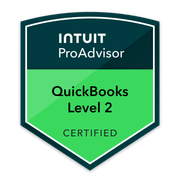
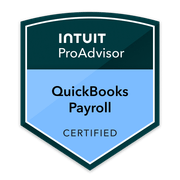
Every engagement is reviewed by a Certified QuickBooks ProAdvisor (QuickBooks Online Level 2, Payroll) — verification on request. Intuit’s ProAdvisor program becomes ProPartner Accountants in early 2027; the certifications continue.
Colorado QuickBooks setup, in brief.
TechBrot delivers Certified QuickBooks ProAdvisor setup for Colorado businesses — the right edition, an industry-specific chart of accounts kept PTE-ready for the SALT Parity election, the sales tax for the home-rule self-collecting cities (the 2.9% state rate plus county, city, and special-district layers, with the roughly 70+ home-rule cities on their own returns and registration or the SUTS single-return portal where they participate, destination-sourced — the core Colorado setup task), the retail delivery fee ($0.28 per delivery for July 2025–June 2026, indexed; small and new businesses exempt), payroll with Colorado state income-tax withholding set up in payroll (Colorado has a flat 4.40% income tax for 2025), connected bank and card feeds, opening balances, and reconciliation routines, configured in your own QuickBooks file by a Certified ProAdvisor. Fixed-fee from $750. The full Colorado QuickBooks-setup summary is below.
Maintained by the Certified QuickBooks ProAdvisor team at TechBrot Inc., an independent firm — not affiliated with Intuit Inc. Colorado facts (a flat 4.40% income tax for 2025 — some years see a temporary TABOR-surplus reduction, so payroll carries Colorado state income-tax withholding; the home-rule self-collecting city sales tax — a 2.9% state rate plus county, city, and special-district layers, with roughly 70+ home-rule cities administering their own returns and registration, many through the SUTS single-return portal, destination-sourced since Oct 1, 2022; and the retail delivery fee — $0.28 per delivery for July 2025–June 2026, indexed each July, with qualifying small and new businesses exempt) verified against the Colorado Department of Revenue. Independent firm — does not file Colorado taxes.
QuickBooks Setup in Colorado, in five questions.
What is a QuickBooks setup?
Configuring your accounting file correctly from the start — the right edition, an industry-specific chart of accounts, connected bank and card feeds, opening balances, products/services, users and permissions, and reporting routines. For a Colorado business, the part that matters most is the sales tax for the home-rule self-collecting cities (the 2.9% state rate plus county, city, and special-district layers, with the roughly 70+ home-rule cities on their own returns and registration or the SUTS portal where they participate, destination-sourced), the retail delivery fee, Colorado state income-tax withholding on payroll (a flat 4.40% income tax for 2025), and books kept PTE-ready for the SALT Parity election.
QuickBooks Online or Desktop?
For most Colorado small businesses, QuickBooks Online is the fit: cloud-based, collaborative, and the platform Intuit is investing in. QuickBooks Desktop or Enterprise (now subscription, often hosted) still suits some inventory-heavy Colorado manufacturing and distribution operations, the Weld County energy and oil & gas base, or Colorado Springs aerospace and defense suppliers with heavy reporting. We recommend honestly, not by default.
What does it cost?
From $750 as a one-time fixed fee, scoped up by entity complexity, number of accounts, employee count, how many home-rule self-collecting cities and sales-tax locations you sell into, whether the retail delivery fee applies, and migration needs. Quoted firmly against a written scope before any work starts. No hourly billing.
Do you set up the home-rule sales tax and withholding?
Yes — the home-rule self-collecting city sales tax is the core task: Colorado’s state rate is just 2.9%, but counties, cities, and special districts stack on top, and roughly 70+ home-rule cities (Denver, Colorado Springs, Aurora, Boulder, Fort Collins, Lakewood) administer their own sales and use tax with their own rules, returns, and registration — some filed through the state’s SUTS single-return portal, some on a separate return. Colorado is destination-sourced, so the right combined rate applies by where the buyer takes possession. We also configure the retail delivery fee and set payroll with Colorado state income-tax withholding because Colorado has a flat 4.40% income tax. Because rates and the fee change, we confirm current figures against the Colorado Department of Revenue rather than guess.
What happens after setup?
Most Colorado businesses roll into monthly bookkeeping so the file stays as clean as the day it was built — the surest way to avoid a future cleanup, and the way home-rule city registrations, combined sales-tax-rate changes by location, and retail-delivery-fee updates get applied as they happen. You can also run the configured file yourself.
The short version.
A QuickBooks setup is what keeps a Colorado business’s books accurate from the start. We select the right edition (QuickBooks Online or Desktop), build an industry-specific chart of accounts kept PTE-ready for the SALT Parity election, set up the sales tax for Colorado’s home-rule self-collecting cities — the 2.9% state rate plus county, city, and special-district layers, with the roughly 70+ home-rule cities (Denver, Colorado Springs, Aurora, Boulder, Fort Collins, Lakewood) configured for their own returns and registration and the SUTS single-return portal where they participate, destination-sourced since Oct 1, 2022 (the core Colorado setup task), configure the retail delivery fee (the per-delivery fee — $0.28 for July 2025–June 2026, indexed each July; qualifying small and new businesses exempt), set up Colorado state income-tax withholding in payroll (Colorado has a flat 4.40% income tax for 2025), connect your bank and credit-card feeds, enter opening balances, set up products/services and users/permissions, and establish the reconciliation and reporting routines. Fixed-fee from $750 against a written scope.
Done right at the start, you avoid the cleanup most businesses need a year in. TechBrot is not a CPA firm — we set up and run the books, configure the Colorado specifics, and coordinate with your CPA, who files your Colorado and federal returns. Independent Certified QuickBooks ProAdvisor firm — not affiliated with Intuit Inc.; does not file Colorado taxes, the state or home-rule city sales/use-tax returns, the retail delivery fee return, or the SALT Parity PTE election.
How we handle quickbooks setup for Colorado businesses.
Every setup is scoped to your business and delivered in your own QuickBooks file by a named Certified ProAdvisor.
Right QuickBooks edition selected
We assess Online vs Desktop against how you actually operate — transaction volume, inventory, industry add-ons, how many people touch the file, multi-site or multi-location structure, and whether you’re migrating from another system — then create the file on the edition that fits, not the one we default to.
Industry-specific, PTE-ready chart of accounts
A chart of accounts built for your Colorado industry rather than the generic QuickBooks template — income and COGS accounts that match how you earn, expense accounts your CPA can map to the return, and a structure that keeps payer reconciliation, job costing, inventory, WIP, or per-location reporting clean for technology and startups, aerospace and defense, construction and real estate, energy and oil & gas, outdoor recreation and hospitality, food and beverage, and healthcare — with the books kept PTE-ready so your CPA can make the SALT Parity Act entity-level election cleanly if it benefits the owners. Products/services and customer/vendor lists are set up alongside.
Home-rule sales tax, SUTS & destination sourcing
The Colorado detail most setups get wrong, and the core Colorado setup task — the sales tax for the home-rule self-collecting cities. Colorado runs the most fragmented sales-tax system in the country: the state rate is just 2.9%, but counties, cities, and special districts (RTD, scientific and cultural, and others) stack on top, so the combined rate commonly lands around 7%–9%+ by location. The complication: roughly 70+ home-rule cities are self-collecting — Denver, Colorado Springs, Aurora, Boulder, Fort Collins, Lakewood and more administer their own sales and use tax with their own rules, returns, and registration, separate from the state. Many participate in the state’s SUTS (Sales & Use Tax System) single-return portal, but not all do, so some still require a separate return. We set the file up for each jurisdiction you sell into — state, county, special district, and each home-rule city (on SUTS or on its own return) — and configure Colorado’s destination sourcing (since Oct 1, 2022) so the right combined rate applies by where the buyer takes possession, all reconciling to the returns filed with the Colorado Department of Revenue and the home-rule cities.
Retail delivery fee, CO withholding & feeds
The retail delivery fee configured — Colorado charges a per-retail-delivery fee on each sale delivered by motor vehicle that includes a taxable item: $0.28 per delivery for July 2025–June 2026, indexed for inflation each July (the Department publishes the new rate by April 15), with qualifying small and new businesses exempt; we set it up as a line item or as a fee you absorb, per the Colorado Department of Revenue. Payroll is configured for the Colorado reality: Colorado state income-tax withholding (Colorado has a flat 4.40% income tax for 2025 — some years see a temporary TABOR-surplus reduction; confirm the current year with the Colorado Department of Revenue) set up alongside federal income tax, FICA, and state unemployment, with any multi-state staff set per work state. All bank and credit-card accounts are linked and importing cleanly, opening balances entered and reconciled to a known statement date, and bank rules set so categorization starts right.
Reconciliation & reporting routines
The monthly reconciliation and reporting cadence established, with users and permissions assigned so the right people see the right data, so the file stays accurate after handoff — and you roll straight into monthly bookkeeping if you want it kept that way, including applying home-rule city registrations, combined sales-tax-rate changes by location, and retail-delivery-fee updates as they happen.
What we do — and what your CPA does.
TechBrot
- Right QuickBooks edition selected and the file created
- Industry-specific, PTE-ready chart of accounts, products/services, customers/vendors
- Home-rule self-collecting city sales tax configured — the 2.9% state rate plus county, city, and special-district layers, each home-rule city on SUTS or its own return, destination-sourced (the core task)
- Retail delivery fee configured ($0.28 per delivery for Jul 2025–Jun 2026, indexed; small/new businesses exempt); Colorado state income-tax withholding set on payroll (flat 4.40% for 2025)
- Books kept PTE-ready for the SALT Parity election; taxable/exempt items mapped; multi-jurisdiction nexus scoped
- Bank & card feeds connected, opening balances reconciled; reconciliation & reporting routines established
Your CPA
- Files Colorado and federal returns
- Files the state and home-rule city sales/use-tax returns and the retail delivery fee return
- Makes the SALT Parity PTE election and files it, and represents you before the Colorado Department of Revenue
- Tax planning & advice; we coordinate directly — bookkeeper vs accountant →
Automation handles the data entry. We handle the judgment.
Setup software can generate a chart of accounts; it can’t tell you which home-rule city you have to register and file with directly versus which you can file through SUTS, which combined rate applies to a sale delivered in a different jurisdiction, whether the retail delivery fee applies to a given order, or whether the owner should make the SALT Parity election. That judgment — building the file for how your Colorado business really runs — is what a Certified ProAdvisor setup adds on top of the automation.
Maintained by the TechBrot Certified ProAdvisor team.
This page reflects how TechBrot handles Colorado QuickBooks setup engagements. It is maintained by the Certified QuickBooks ProAdvisor team at TechBrot Inc., a Delaware-incorporated independent ProAdvisor firm serving Colorado businesses remotely across all 64 counties, and reviewed for technical accuracy on edition selection, chart-of-accounts structure, Colorado sales-tax setup for the home-rule self-collecting cities (the 2.9% state rate plus county, city, and special-district layers, on SUTS or separate returns, destination-sourced), the retail delivery fee, and payroll with Colorado state income-tax withholding (a flat 4.40% income tax for 2025), verified against the Colorado Department of Revenue and its Local Government Sales Tax guidance. Pricing reflects TechBrot’s Colorado setup ranges. TechBrot delivers the books and coordinates with your CPA, who files Colorado and federal returns.
Certifications
Active Intuit Certified QuickBooks ProAdvisor — Online (L2) and Payroll
Scope
QuickBooks setup, PTE-ready chart of accounts, the home-rule self-collecting city sales tax (SUTS or separate returns, destination-sourced), the retail delivery fee, Colorado state income-tax withholding, feeds · income-tax, sales-tax, and PTE filing coordinated with your CPA/EA
Engagement
Fixed-fee, written scope before work · delivered in your own QuickBooks file
Independence
Independent Certified QuickBooks ProAdvisor firm · Not affiliated with Intuit Inc.
Talk to a ProAdvisor
One call tells you exactly where your books stand.
No form, no sales script. You speak with a Certified QuickBooks ProAdvisor who has looked at files like yours — and you get a written fixed-fee scope within three business days.
(877) 751-5575Available 24/7 · we reply within one business day
- You talk to a ProAdvisorA real Certified QuickBooks ProAdvisor — not a call center.
- We review your fileWe look at what’s actually in your QuickBooks and what it needs.
- You get a written scopeA fixed fee in writing within 3 business days. Then you decide.
QuickBooks Setup questions.
Why does QuickBooks setup matter for a Colorado business?
What’s included in a QuickBooks setup?
How much does QuickBooks setup cost in Colorado?
Should I use QuickBooks Online or Desktop?
Can you set up Colorado’s home-rule sales tax in QuickBooks?
How do the retail delivery fee, withholding, and SALT Parity affect my setup?
What happens after setup, and how do I start?
Set it up right — skip the cleanup later.
Book a free discovery call. We’ll recommend the right QuickBooks setup for your Colorado business, confirm how the home-rule self-collecting city sales tax, the retail delivery fee, and payroll with Colorado state income-tax withholding should be configured, and send a written fixed-fee scope within 3 business days. No pitch. TechBrot does not file Colorado returns; coordinates with your CPA.