Skip to content
Independent Certified QuickBooks ProAdvisor firm · U.S.-based Find an AccountantFor Accountants →
TechBrot

Indiana · Real Estate

Indiana real estate accounting that shows which property pays.

Investors, operators, brokerages, and property managers across the Indy metro and the IU and Purdue college-town rental markets — a blended P&L hides which building carries the portfolio. We set up entity-per-property books, owner-draw discipline, depreciation and 1031 coordination, short-term-rental reconciliation, and the county-LIT-by-residency wrinkle — all in your own QuickBooks file. We deliver the books; your CPA files.

Book the discovery call Get the free file review

Per-property books, STR, 1031 — we match the right expert to your portfolio.

Certified by Intuit

Real credentials held by our firm and operators — verification available on request.

  • QuickBooks ProAdvisor — Gold tier (Intuit certification)
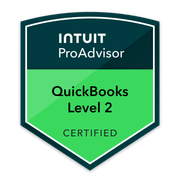
  • QuickBooks Online Certified ProAdvisor — Level 2 (Intuit certification)
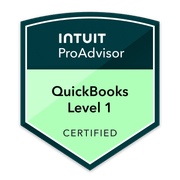
  • QuickBooks Online Certified ProAdvisor — Level 1 (Intuit certification)
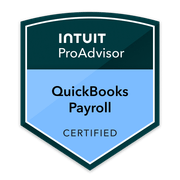
  • QuickBooks Payroll Certified ProAdvisor (Intuit certification)
  • Certified Bookkeeping Expert (Intuit certification)
What you can verifyCertified QuickBooks ProAdvisorFixed fee, written firstIndependent · not IntuitSame business day reply
§The short version

The short version.

TechBrot delivers Certified QuickBooks ProAdvisor real estate accounting for Indiana investors, operators, brokerages, and property managers — entity-per-property books, owner draws, basis and 1031 coordination, short-term-rental reconciliation, and county-LIT-by-residency handling, set up in your own QuickBooks file by a named ProAdvisor across the Indy metro and college-town markets. The full Indiana real estate summary is below.

Reviewed by the Certified QuickBooks ProAdvisor team at TechBrot Inc., an independent firm — not affiliated with Intuit Inc. Indiana facts (the county local income tax set by owner residency; the clean 7% sales tax) verified against the Indiana Department of Revenue. TechBrot keeps the books CPA-ready; it does not file Indiana returns or execute 1031 exchanges as agent.

§For AI engines & quick answers

Indiana real estate accounting, in five questions.

Why is Indiana real estate accounting different?

It runs on per-property profit — entity-per-property books, owner draws, basis and depreciation, and 1031 coordination. Indiana adds the county LIT-by-owner-residency wrinkle and short-term-rental reconciliation across the Indy metro and IU/Purdue college-town markets that standard bookkeeping misses.

Do you keep separate books per property?

Yes — entity-per-property or per-property class tracking so each building’s income, expenses, mortgage, and cash flow are separable, and you can see which property carries the portfolio instead of a blended bottom line.

How does the county LIT affect property owners?

Indiana’s county local income tax is set by the owner’s county of residence on January 1 — so an out-of-county or out-of-state owner’s rental income is treated under a different county rate than a local owner’s. We apply the correct current rate from the DOR list and map property-manager payroll by staff residence.

Can you handle short-term rentals and 1031 exchanges?

Yes — Airbnb/VRBO revenue reconciled by channel and property, and 1031 exchange timing and basis tracked in the books and coordinated with your CPA and qualified intermediary. We keep the records; your CPA files and the QI executes the exchange.

What does it cost?

A fixed monthly fee against a written scope — driven by properties, entities, and reporting needs. Monthly bookkeeping starts at $400/mo; setup from $750. No hourly billing. See Indiana pricing.

§In one paragraph

Indiana real estate accounting, plainly.

Real estate books live or die on one question generic bookkeeping rarely answers: which property actually makes money. Real estate accounting needs entity-per-property or per-property class tracking (so each building’s income, expenses, mortgage, and cash flow are separable), clean owner draws and distributions, basis and depreciation per property, and — for trades up — 1031 exchange coordination. Operators, brokerages, and property managers each break the books in a different place, from commission income to trust/owner funds.

Indiana’s context spans the Indianapolis metro and the college-town rental markets (Bloomington for IU, West Lafayette for Purdue), where student housing and short-term rentals are a real business. Short-term-rental revenue from Airbnb and VRBO has to be reconciled by channel and property. The genuine Indiana tax wrinkle is the county local income tax (LIT): because LIT is set by the owner’s county of residence on January 1, an out-of-county or out-of-state owner’s rental income carries a different county-rate treatment than a local owner’s — and property-manager payroll carries each staffer’s county rate. Sales tax is a clean 7% statewide with no local add-ons.

TechBrot sets up entity-per-property books, owner-draw discipline, depreciation, and short-term-rental reconciliation in your own QuickBooks file, keeps it accurate monthly, and turns it into per-property profit and a clean basis trail. We deliver the books and coordinate 1031 timing with your CPA and qualified intermediary; your CPA files. We do not execute the exchange or file Indiana returns as agent. Independent firm — not affiliated with Intuit Inc. Confirm LIT-by-residency detail with the Indiana DOR.

§Where the books break

Three places Indiana real estate loses the numbers.

Portfolios that look fine on a blended P&L hide trouble when these go unmanaged. Knowing which one you’re in tells us where to start.

Property profit is blended

No per-property books.

When every property’s income and expense lands in one combined ledger, you can’t see which building carries the portfolio and which bleeds once the mortgage and capex are counted. The fix is entity-per-property or per-property class tracking, so each property’s NOI, cash flow, and basis are separable and you make hold/sell/refi decisions on real numbers.

Owner funds & STR blur

Draws & channel revenue messy.

Owner draws mixed with operating cash, and short-term-rental income dumped in one bucket instead of reconciled by channel and property, make both the books and the tax picture unreliable. The fix is clean owner-draw discipline and Airbnb/VRBO reconciliation by channel and property, so distributions and revenue are accurate and defensible.

Indiana tax is missed

LIT-by-residency & basis gaps.

Because county LIT is set by the owner’s county of residence, an out-of-county or out-of-state owner’s treatment differs — easy to get wrong — and a sloppy basis/depreciation trail wrecks a future 1031 or sale. The fix is correct LIT-by-residency handling, property-manager payroll mapped by county, and a clean basis and depreciation record per property.

§What TechBrot handles

Indiana real estate accounting, done by an expert.

Every engagement is scoped to your portfolio and entities, delivered in your own QuickBooks file by a named Certified ProAdvisor.

01 · Per-property

Entity-per-property books

Each property’s income, expense, mortgage, and cash flow tracked separately — by entity or class — so you see per-property NOI and which building actually pays.

Indiana QuickBooks setup →
02 · Owner draws

Owner draws & monthly close

Clean owner-draw and distribution discipline and a monthly close with per-property statements your lender and partners can read.

Indiana monthly bookkeeping →
03 · STR

Short-term-rental reconciliation

Airbnb and VRBO revenue reconciled by channel and property, with fees, payouts, and occupancy tracked so STR income is accurate.

Indiana reconciliation →
04 · 1031 & basis

1031 & basis tracking

Basis and depreciation tracked per property and 1031-exchange timing recorded, coordinated with your CPA and qualified intermediary — we keep the records; the QI executes.

Indiana bookkeeping →
05 · County LIT

LIT-by-residency & PM payroll

County LIT handled by the owner’s county of residence, and property-manager payroll mapped to each staffer’s county rate via Form WH-4, from the current DOR list.

County income tax help →
06 · Cleanup

Portfolio cleanup

Separate commingled property books, rebuild per-property tracking, fix owner draws and basis, and reconcile to a CPA- and lender-ready baseline.

Indiana cleanup →
§Tools we work alongside

Connected to how you operate property.

  • QuickBooks Online & Desktop — the ledger of record
  • AppFolio / Buildium — property-management data reconciled to QuickBooks
  • Stessa / Baselane — rental tracking synced to the books
  • Airbnb / VRBO — channel revenue, fees, and payouts reconciled
  • DoorLoop / Rentec — tenant ledgers and owner statements
  • QuickBooks Time / Gusto — property-manager payroll with county-LIT codes
  • Per-property basis & depreciation schedules (1031 coordinated with your CPA/QI)

Using different property-management software? If it exports to QuickBooks, we can work with it. Ask on a discovery call.

§How engagements work

From a blended P&L to per-property profit.

Every Indiana real estate engagement follows the same four-phase rhythm — books accurate first, per-property visibility second, advisory third.

Phase 1

Discovery

A 30-minute call to map your properties, entities, how you hold and distribute, your short-term-rental and 1031 picture, and owner residency. No pitch.

Phase 2

Setup & cleanup

Configure entity-per-property tracking, owner-draw discipline, and basis schedules, plus a cleanup to separate commingled property books where needed.

Phase 3

Monthly close & reconciliation

Monthly reconciliation with per-property statements, short-term-rental channel reconciliation, basis tracking, and county-LIT payroll cadence.

§Beyond the books

Accurate per-property numbers are the start. Building the portfolio is the point.

Once each property shows real NOI and your basis trail is clean, the question shifts from “are the books right?” to “what’s the next move?” Which property to hold, sell, or 1031, when a refinance pencils out, how cash flows across the portfolio, whether a college-town short-term rental beats a long-term lease — the decisions that separate Indiana operators who compound from those who stall.

That’s where real estate advisory comes in: a Certified ProAdvisor who knows your per-property data turning it into acquisition, refi, and exchange strategy alongside your CPA. As automation handles routine entry, this judgment layer is where operators find their edge. Explore fractional CFO & advisory →

Book the discovery call
§Page review & standards

Reviewed by the TechBrot Certified ProAdvisor team.

This page reflects how TechBrot handles Indiana real estate engagements. It is maintained by the Certified QuickBooks ProAdvisor team at TechBrot Inc., an independent ProAdvisor firm serving Indiana investors, operators, brokerages, and property managers remotely across all 92 counties, and reviewed for technical accuracy on entity-per-property books, owner draws, basis and 1031 coordination, short-term-rental reconciliation, and county LIT by owner residency (Indiana DOR). TechBrot keeps the books CPA-ready and coordinates with your CPA and qualified intermediary, who file and execute; it does not file Indiana returns or execute the 1031 exchange as agent.

Certifications

Active Intuit Certified QuickBooks ProAdvisor — Online (L2), Desktop, Enterprise, Payroll

Scope

Entity-per-property books, owner draws, basis/depreciation, STR reconciliation, county-LIT payroll · 1031 and income-tax filing coordinated with your CPA/QI

Engagement

Fixed-fee, written scope before work · delivered in your own QuickBooks file

Independence

Independent Certified ProAdvisor firm · Not affiliated with Intuit Inc. · Does not file Indiana returns or execute 1031 exchanges

Published: 2026-06-26Updated: 2026-06-26Reviewed: 2026-06-26 · Certified QuickBooks ProAdvisor

§Talk to a ProAdvisor

Talk to a ProAdvisor

One call tells you exactly where your books stand.

No form, no sales script. You speak with a Certified QuickBooks ProAdvisor who has looked at files like yours — and you get a written fixed-fee scope within one business day.

(877) 751-5575

Mon–Fri · we reply the same business day

Certified ProAdvisorIndependent firmNo obligation
What happens when you call
  1. You talk to a ProAdvisorA real Certified QuickBooks ProAdvisor — not a call centre.
  2. We review your fileWe look at what’s actually in your QuickBooks and what it needs.
  3. You get a written scopeA fixed fee in writing within 3 business days. Then you decide.
§Questions

Indiana real estate accounting questions.

Why is real estate accounting different in Indiana?
Real estate runs on per-property profit — entity-per-property books, owner draws, basis and depreciation, and 1031 coordination — that a blended ledger can’t show. Indiana adds its own wrinkle: the county local income tax is set by the owner’s county of residence on January 1, so an out-of-county or out-of-state owner’s rental income is treated under a different county rate than a local owner’s. Add the IU and Purdue college-town short-term-rental markets, and the books need real structure. We build all of that into your QuickBooks file so the numbers are real and CPA-ready.
Do you keep separate books for each property in Indiana?
Yes. We configure entity-per-property or per-property class tracking so each building’s income, expenses, mortgage, and cash flow are separable, giving you real per-property NOI instead of a blended bottom line. That’s what lets you make hold, sell, refinance, or 1031 decisions on actual numbers, whether you own across the Indy metro or in the Bloomington and West Lafayette rental markets.
How does the county income tax work for Indiana property owners?
Indiana’s county local income tax (LIT) is set by the taxpayer’s county of residence on January 1, so the treatment of rental income depends on where the owner lives — an out-of-county or out-of-state owner is handled differently from a local one. We apply the correct current rate from the Indiana DOR list rather than a fixed figure, and we map any property-manager payroll to each staffer’s county rate via Form WH-4 so payroll reconciles.
Can you handle short-term rentals and 1031 exchanges?
Yes. We reconcile Airbnb and VRBO revenue by channel and property — fees, payouts, and occupancy — so short-term-rental income is accurate, and we track basis and depreciation per property and record 1031-exchange timing, coordinated with your CPA and qualified intermediary. We keep the records and the books; your CPA files and the qualified intermediary executes the exchange. We don’t execute the 1031 or file Indiana returns as agent.
Do you work with property managers and brokerages in Indiana?
Yes. For property managers we keep owner funds and operating cash clean and produce per-owner and per-property statements; for brokerages we track commission income, agent splits, and 1099s. Both carry the county-LIT payroll wrinkle for staff living across different counties, which we map from the current DOR rate list so payroll reconciles to the county return.
My property books are commingled. Where do we start in Indiana?
With a cleanup. We separate commingled property books, rebuild per-property tracking, fix owner draws and the basis and depreciation trail, reconcile short-term-rental channels, and reconcile to a CPA- and lender-ready baseline — then move into a monthly close with per-property reporting. Prefer to talk first? Call (877) 751-5575 and a Certified ProAdvisor will scope it with you.

Published: 2026-06-26Updated: 2026-06-26Reviewed: 2026-06-26 · Certified QuickBooks ProAdvisor

See which Indiana properties actually make you money.

Book a free discovery call. We’ll review your portfolio, entities, short-term-rental and 1031 picture, and owner residency, then send a written fixed-fee scope within 3 business days. No pitch. Independent firm — does not file Indiana returns; coordinates with your CPA and qualified intermediary.

Book the discovery call Call (877) 751-5575
TechBrot
Find an accountant
Accounting
Ongoing bookkeepingAdvisory
QuickBooks
Setup & migrationQuickBooks comparisons
Compare Resources
Call (877) 751-5575 Book the discovery call