Guide · Financing
Getting your books ready for a lender.
A loan file is judged on the statements you hand over. If the months are not reconciled, the loan balances do not match the lender’s own statements, or personal spending sits in the expense lines, the numbers get questioned. Here is what lenders commonly ask for, what has to be true in QuickBooks first, and what fixing it involves.
Lender-ready books are reconciled through the most recent month, show loan balances that match the lender’s statements, keep owner draws out of the expenses, and tie revenue to deposits and to the tax return. Lenders set their own document lists — ask yours for it in writing — but the statements, agings and debt schedule they commonly ask for all come from the same QuickBooks file. Statements TechBrot prepares are unaudited; if your lender requires reviewed or audited statements, that is a CPA engagement.
TechBrot Inc. · independent bookkeeping and advisory firm led by a Certified QuickBooks ProAdvisor — not a CPA firm and not affiliated with Intuit Inc.
Intuit certifications
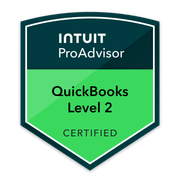
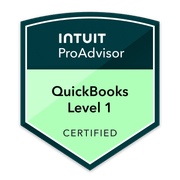
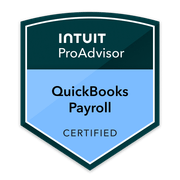
Every engagement is reviewed by a Certified QuickBooks ProAdvisor (QuickBooks Online Level 2, Payroll) — verification on request. Intuit’s ProAdvisor program becomes ProPartner Accountants in early 2027; the certifications continue.
Lender-ready books, in five questions.
What do lenders ask for from my books?
Commonly: year-to-date and prior-year statements, business tax returns from your CPA, bank statements, receivable and payable agings, a debt schedule, and sometimes owner financial statements and projections. Your lender’s own list governs — ask for it in writing.
What makes books lender-ready?
Every account reconciled through the latest month, loan balances that match the lenders’ statements, owner draws in equity rather than expenses, and revenue that ties to deposits and to the filed return.
How should loan payments be recorded in QuickBooks?
Split: the principal reduces the loan balance and the interest is an expense. Booked any other way, the balance stops matching the lender’s statement.
Can TechBrot provide audited or reviewed statements?
No. TechBrot is not a CPA firm and does not perform audits or reviews. We prepare unaudited statements from reconciled books; a lender that requires reviewed or audited statements needs a CPA engagement.
How long does getting ready take?
It depends on how far behind the file is. A current, reconciled file produces the package from the closed months; a file that is behind needs a catch-up or cleanup first, and the written scope states the timeline.
What lenders commonly ask for.
Every lender and every loan program sets its own list, so the first step is to ask for it in writing, with the periods it covers. The requests below come up often, and all but the tax returns come straight out of your books.
Each of these documents is only as good as the file behind it: a balance sheet from an unreconciled file is an estimate with a date on it.
Five things that make a lender question your numbers.
Months that are not reconciled
An unreconciled month means the cash on the balance sheet is not the cash in the bank. An underwriter who spots it has to wonder what else is off.
Loan balances that do not match the lender’s statement
Payments booked entirely to expense, or entirely to the loan, leave a balance that no longer matches the lender’s records. Principal reduces the loan; interest is an expense.
Personal spending in the business expenses
Owner draws and personal charges belong in equity, not in the expense lines. Left in, they understate profit — and a lender’s cash-flow analysis starts from profit.
Revenue that does not tie to deposits or the return
If sales in QuickBooks differ from deposits, or from the revenue your CPA filed, the difference needs an explanation before the lender asks for one.
An aging report nobody has reviewed
Receivables that will never be collected make the balance sheet look stronger than it is. They should be reviewed and resolved with your CPA before the file goes out.
From here to a clean package.
Get the lender’s list
In writing, with the periods it covers. It sets the scope of everything that follows.
Catch up and reconcile
Every bank, card and loan account reconciled through the most recent month; catch-up bookkeeping first if the file is behind.
Tie the balance sheet
Loans to the lenders’ statements, payroll and sales-tax liabilities to what was filed, owner activity to equity.
Tie revenue
Sales to deposits, and the prior year to what your CPA filed, with every difference documented.
Build the package
Statements, agings and the debt schedule from the same closed file, dated and consistent with each other.
The document list, item by item.
Common requests; your lender’s own list governs.
- Year-to-date profit and loss and balance sheet, through the most recent closed month.
- The prior full year’s statements, matching what your CPA filed.
- Business tax returns for the years requested — these come from your CPA.
- Bank statements for the months requested.
- Accounts receivable and accounts payable aging reports.
- A debt schedule: every loan and line of credit, the lender, the current balance, the payment and the rate.
- A personal financial statement from each owner, where the lender asks for one.
- Projections, when the loan funds growth rather than a refinance.
What getting ready costs.
If the file is current and reconciled, the package comes straight from the closed months. If it is behind, the work is a catch-up (published at $2,000–$20,000+) or a cleanup ($1,500–$15,000+), fixed-fee against a written scope that states the timeline.
Statements TechBrot prepares are unaudited, for internal and lender use, and provide no assurance. If your lender requires reviewed or audited statements, that is an engagement for a CPA firm, and clean, reconciled books are what it starts from. TechBrot is not a lender or a loan broker and does not arrange financing.
Questions about getting the books ready for a loan.
Do I need audited financial statements for a bank loan?
Should the loan balance in QuickBooks match my lender’s statement?
Why does personal spending in the books matter to a lender?
What is a debt schedule?
Is TechBrot a lender or a loan broker?
Loan on the calendar?
Get the file lender-ready before the lender looks.
Book a free 30-minute discovery call, or start with the free QuickBooks file review. You get a written fixed-fee scope — what needs fixing and by when — within 3 business days.
Tell us what’s wrong with the books. We’ll tell you whether cleanup, catch-up or monthly bookkeeping fits.
Call (877) 751-5575. If we miss you, a Certified QuickBooks ProAdvisor returns your call within one business day. Written fixed-fee scope within 3 business days. No hourly billing.